
Explore our Services
ADULT THERAPY
COUPLES THERAPY
ADOLESCENT THERAPY
CHILD THERAPY
GROUP THERAPY
FAMILY THERAPY
Not sure where to start?
Let us help you find the right path.

ADULT THERAPY

COUPLES THERAPY

ADOLESCENT THERAPY
CHILD THERAPY

GROUP THERAPY

FAMILY THERAPY

Life can feel overwhelming at times. Whether you're navigating anxiety, relationship challenges, major life transitions, or simply feeling disconnected from yourself, therapy can provide a space to slow down, understand what's happening beneath the surface, and create meaningful change.
Adulthood often comes with competing demands—careers, relationships, family responsibilities, and ongoing pressure to keep up. While many people appear to be managing on the outside, it can feel overwhelming, uncertain, or isolating beneath the surface.
I work with adults navigating anxiety, stress, relationship challenges, and life transitions, including separation or divorce. Whether you’re feeling stuck, burnt out, or unsure how to move forward, therapy can help you gain clarity and a greater sense of control.
Common areas we explore in adult therapy
Attachment patterns and relationships
Communication and emotional connection
Navigating stress and burnout
Being a tween or teenager has never been simple. Today, young people are navigating academic pressure, friendships, social media, family expectations, changing relationships, and the challenge of figuring out who they are—all while managing emotions that can sometimes feel overwhelming.
As a parent, it can be difficult to know when typical adolescent struggles have become something more. You may notice your child withdrawing, becoming more anxious or irritable, struggling at school, losing confidence, having difficulty with friendships, or simply seeming unlike themselves.
Therapy can give tweens and teens a safe place to slow down, talk openly, and feel understood without judgment.
One of the most important parts of therapy with adolescents is the relationship.
We know that many teens don't walk into therapy excited to talk to a therapist. Some are nervous, skeptical, or attending because a parent suggested it. That's okay.
Our first priority is creating a comfortable environment where your teen can gradually build trust and feel safe being themselves. We meet adolescents where they are rather than expecting them to immediately open up.
Depending on your teen's personality and needs, sessions may include conversation, journaling, workbooks, mindfulness, somatic techniques, or practical strategies they can use outside of therapy.
Over time, therapy can help adolescents better understand their emotions, recognize patterns, develop healthier coping skills, communicate more effectively, and feel more confident navigating challenges.
We work with tweens and adolescents experiencing:
Anxiety and excessive worry
Depression and low mood
ADHD and emotional regulation difficulties
School stress and academic pressure
Friendship and social challenges
Low self-esteem and confidence
Bullying
Family conflict
Divorce and family transitions
Relationship concerns
Learning differences
Perfectionism and fear of failure
Anger and irritability
Self-harm
Grief and loss
Trauma and difficult life experiences
Sometimes there isn't one obvious problem. A parent may simply sense that their child is struggling or that communication at home has become increasingly difficult. Therapy can help us understand what's happening beneath the surface.
Parents are an important part of adolescent therapy.
At the same time, teens need to know that therapy is a space where they can speak openly and develop a trusting relationship with their therapist.
We work thoughtfully to balance both.
When appropriate, we collaborate with parents, provide guidance, and may incorporate parent or family sessions to improve communication, strengthen relationships, establish healthier boundaries, and help families better understand and support one another.
The goal isn't to decide who's right or wrong. It's to help your family understand what may be driving the behavior or conflict and create healthier ways of connecting.
While practical tools can be extremely helpful, we also want to understand why your teen is struggling.
Our therapists draw from approaches including Cognitive Behavioral Therapy (CBT), Attachment Theory, Psychodynamic Therapy, family systems work, mindfulness, and somatic techniques.
This allows us to address immediate concerns while also exploring underlying emotions, relationships, experiences, and patterns that may be contributing to them.
We want adolescents to leave therapy with more than strategies for getting through a difficult moment. We want them to develop a stronger understanding of themselves and skills they can carry with them into adulthood.
Finding the right therapist for your tween or teen matters.
We offer an initial phone consultation so you can tell us a little about what has been happening, ask questions, and determine which therapist on our team may be the best fit for your child and family.
You don't have to wait until things reach a crisis point to ask for support.
Contact Isetta Psychotherapy to schedule a consultation and learn more about therapy for tweens and adolescents in Hermosa Beach and throughout the South Bay.
Serving the South Bay
In-person in Hermosa Beach. Serving teens and families in Manhattan Beach, Redondo Beach, Torrance, El Segundo, and surrounding areas. Telehealth available in California.
Insurance / superbills
We are an out-of-network practice. Superbills may be provided for possible reimbursement depending on your plan.
FAQ
Will you tell me what my teen says in session?
We protect teen confidentiality while also prioritizing safety. We’ll explain boundaries clearly and collaborate with parents in a way that supports trust and progress.
How long does teen therapy last?
It varies. Some teens benefit from short-term support around a specific issue; others benefit from longer-term work.
Read my blog post about Spotting the Signs: How to Identify Issues in Adolescents and When to Seek Help from a Therapist
Children don't always have the words to explain what they're feeling. Anxiety, big emotions, changes at home, friendship struggles, or difficulties at school may instead show up through behavior, withdrawal, frustration, or worry.
Child therapy is tailored to your child’s age, personality, and needs—often combining play-based work with practical, evidence-based skills. Using play therapy, children can express feelings and experiences that are hard to put into words, while we help them build emotional awareness, confidence, and a stronger sense of safety. We also integrate tools from Cognitive Behavioral Therapy (CBT) to support anxious thoughts, worries, and negative self-talk, and DBT-informed skills (adapted for kids) to strengthen emotion regulation, distress tolerance, and healthy communication. When helpful, we collaborate with parents to reinforce skills at home and create consistent support across settings, so progress carries into daily life.
Anxiety (separation anxiety, worries, fears)
Big emotions, meltdowns, irritability
Difficulty with transitions or change
School stress, social challenges
Family changes (divorce, blended families, moves)
Attention and regulation challenges (including ADHD-related concerns)
What child therapy can look like
Depending on age and needs, sessions may include:
Play-based strategies to help children express feelings safely
Skills for emotional regulation and coping
Building confidence and problem-solving
Parent support and coaching to reinforce progress at home
Our approach
We use a warm, structured approach informed by child development, family systems, and evidence-based strategies. Our goal is to help children feel safer in their bodies and emotions—and to help parents feel clearer about what to do next.
Serving the South Bay
In-person in Hermosa Beach. Serving families in Manhattan Beach, Redondo Beach, Torrance, El Segundo, and surrounding South Bay communities.
Insurance / superbills
We are an out-of-network practice. Superbills may be provided for possible reimbursement depending on your plan.
FAQ
Do parents participate in child therapy?
Often, yes. Parent involvement is one of the strongest predictors of progress. We’ll recommend the right level of involvement based on your child’s age and needs.
How do we get started?
Start with a consultation so we can understand your concerns and recommend the best next step.
Even strong relationships can get stuck in painful patterns. You may find yourselves having the same arguments, feeling disconnected, or struggling to communicate in ways that leave both of you feeling heard and understood.
We specialize in helping couples understand and change the patterns that lead to conflict, distance, and disconnection. Grounded in Attachment Theory and Emotionally Focused Therapy (EFT), our work goes beyond communication skills to address the deeper emotional needs and dynamics that shape your relationship.
Couples often come to us feeling stuck in the same arguments or unsure how to reconnect. Through therapy, we help you slow down these patterns, build emotional safety, and create a more secure and supportive bond.
Our team provides thoughtful, individualized care, allowing us to match you with a therapist who aligns with your relationship goals and needs.
Common reasons couples start therapy
Frequent arguments that go nowhere
Feeling disconnected, lonely, or like roommates
Communication breakdowns or constant misunderstandings
Trust issues, jealousy, or repairing after a rupture
Differences in parenting styles
Intimacy concerns
Navigating major transitions (new baby, relocation, career changes)
What you can expect
Couples therapy is not about picking sides. It’s about understanding patterns and building new ways to respond to each other. Sessions often include:
Identifying the cycle that fuels conflict
Improving communication and repair after arguments
Strengthening emotional safety and connection
Clarifying needs, boundaries, and shared goals
Rebuilding trust through consistent, actionable steps
Our approach
We use a structured, compassionate approach informed by attachment-based work, family systems, and evidence-based couples therapy strategies. We’ll help you move from blame and defensiveness toward clarity, teamwork, and change.
Who we work best with
Couples who want practical tools and are willing to practice new skills between sessions tend to see the most progress. We also support individuals who want relationship therapy to improve patterns even if their partner isn’t ready yet.
Serving the South Bay
In-person in Hermosa Beach. Serving couples throughout Manhattan Beach, Redondo Beach, Torrance, El Segundo, and nearby South Bay communities. Telehealth available in California.
Insurance / superbills
We are an out-of-network practice. Superbills may be provided for possible reimbursement depending on your plan.
FAQ
Do we have to be in crisis to start couples therapy?
No. Many couples come in to strengthen communication and prevent small issues from becoming bigger.
How long does couples therapy take?
It depends on your goals and the patterns involved. Some couples see meaningful shifts in a few months; others choose longer-term support.
Start With a Couples Consultation
A brief consultation helps us understand what you’re looking for and match you with the right therapist for your relationship.
Families can become stuck in patterns where everyone feels frustrated, misunderstood, or disconnected. Therapy provides a space to better understand what's happening within the family and begin creating healthier ways of communicating and relating.
Dr. Isetta employs dynamic and tailored family therapy interventions to meet the diverse needs of each family. Whether integrated from the outset or introduced later in treatment to address specific concerns, family therapy proves to be a powerful tool in fostering understanding and resolution.
In working with children and adolescents, Family Therapy assumes a crucial role in the therapeutic process. Dr. Isetta actively encourages the involvement of both parents whenever possible. To establish a comprehensive understanding of the family dynamics, Dr. Isetta initiates an initial meeting with both parents before engaging with the child or adolescent. This strategic approach ensures a thorough exploration of the family history while maintaining confidentiality. Throughout treatment, if issues surface that could benefit from a family session, Dr. Isetta collaborates with the child or adolescent to facilitate a dialogue that addresses their concerns.
Adolescents often find it beneficial to engage in joint sessions with Dr. Isetta and their parents. This collaborative setting allows for open communication facilitated by Dr. Isetta, fostering a platform for adolescents to articulate their feelings with her support. These meetings aim to enhance communication and instigate positive changes within the family dynamic. Sessions may involve the entire family, parents only, or parents and child, depending on the specific needs and dynamics.
Specializing in Family Conflict, Trauma, Anger, Depression, Cutting, Anxiety, Grief and Loss, and Relationship issues, Dr. Isetta provides a holistic approach to address a spectrum of symptoms within the family unit. If your family is grappling with any of these challenges, reach out to Dr. Isetta today for a phone consultation to initiate a transformative discussion and embark on a path towards resolution and healing.
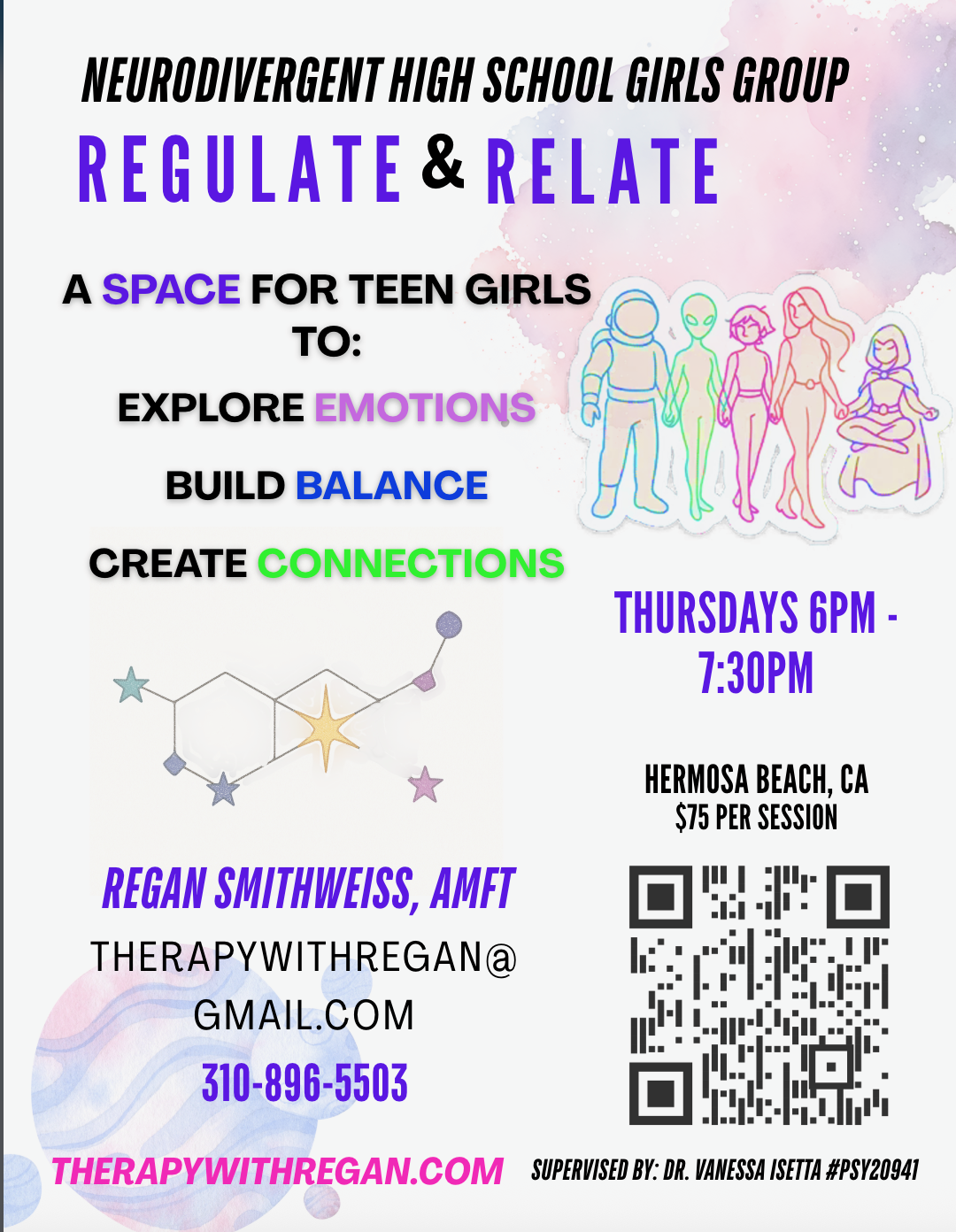
GROUP THERAPY CAN BE A NICE ALTERNATIVE OR ADJUNCT TO THERAPY. PUTTING THESE SKILLS TO USE IN A SAFE NURTURING SPACE CAN BE EXTREMELY THERAPEUTIC. DR. ISETTA AND ASSOCIATES OFFER A COUPLE DIFFERENT GROUPS THROUGHOUT THE YEAR.
Thank you for reaching out.
Your message has been sent to Isetta Psychotherapy, Inc.
We’ll review your note and Dr. Isetta or one of the team members will respond as soon as we can.
If you’re experiencing an emergency or are concerned about your safety,
please call 911 or go to your nearest emergency room.